

Declutter and Organize Your Fridge & Pantry - Austin, TX Holiday 2025 Edition
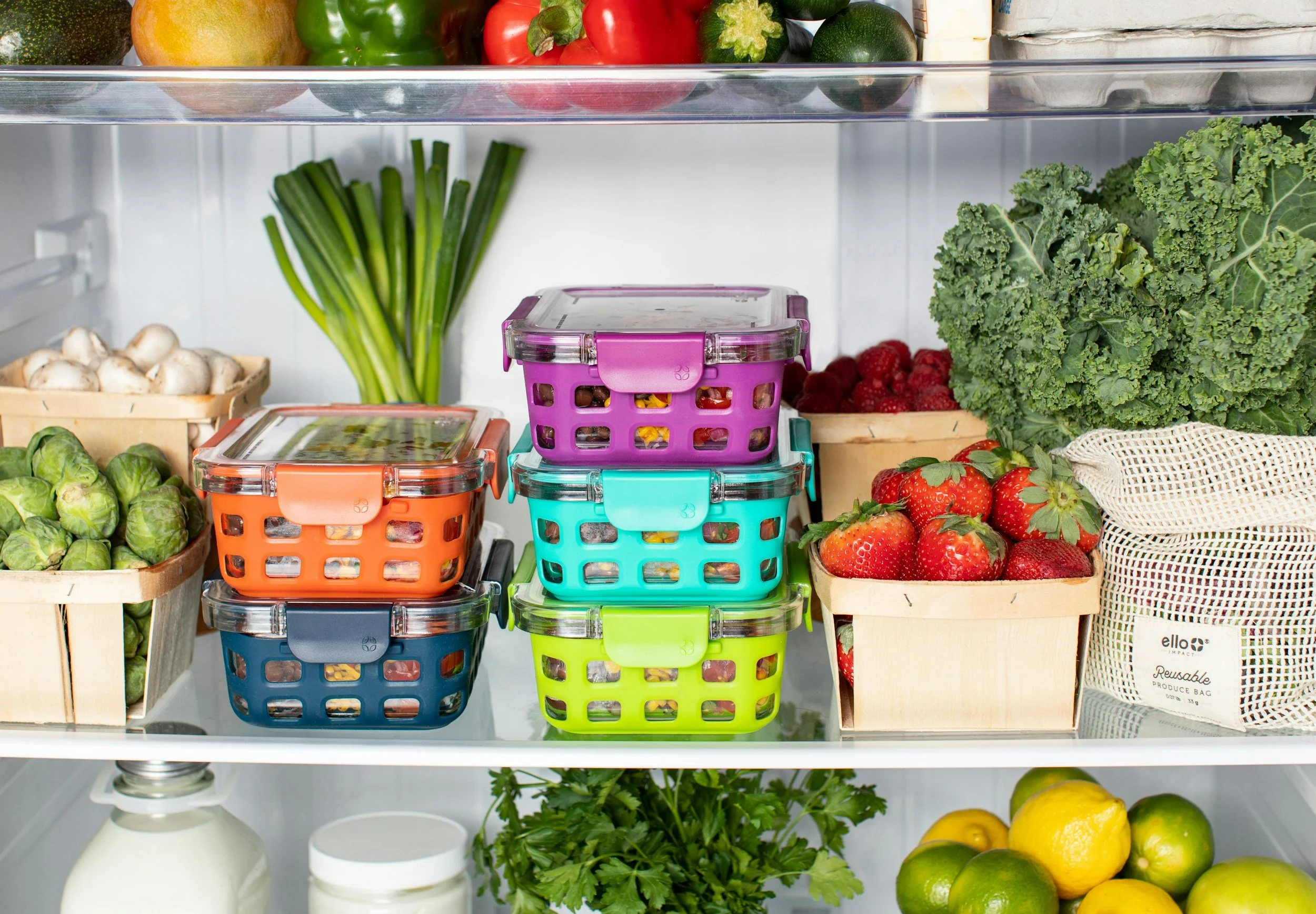
Your fridge and pantry are like the heart of your home—they feed you, connect your family, and somehow end up storing everything (from your daily smoothie ingredients to six half-used condiments and some unmarked mystery containers).
Decluttering your food spaces isn’t just about aesthetics—it’s about saving money, reducing waste, and creating a kitchen that actually supports your lifestyle.
Whether you’re gearing up for hosting, meal prepping, or just tired of wasting perfectly good groceries, here’s how to reclaim calm in your cold and dry storage zones.
For the following steps, we recommend doing steps 1, 2, and 3 separately for your pantry items, your refrigerated items, and finally for the freezer. This way, you don’t have to feel too rushed when cold goods are out for too long.
Step 1: The Full Pull-Out (No Exceptions)
It’s time for the big reveal. Pull everything out—yes, everything.
Try to make subcategories of items while you pull items out. These could look like:
Breakfast grains and cereals
Canned goods
Spices
Condiments and sauces
Oils and vinegars
Baking ingredients
Snacks
Desserts
Rice and noodles
Produce
Meats
Dairy products
Leftovers
Liquids/drinks
(And any more you may have)
As you empty shelves, wipe them down with warm, soapy water or a diluted vinegar solution.
For the fridge, remove drawers and shelves if possible for a deeper clean.
Step 2: Make Decisions and Check for Freshness
Keep: Fresh, regularly used, unexpired items.
Toss/Compost: Expired, questionable, or moldy foods.
Recycling containers: Make sure these qualify for recycling and are clean of food/debris.
Donate: Unopened, shelf-stable items you won’t eat.
Step 3: Sort by Type & Frequency
When restocking, think in terms of function and flow:
Everyday items (like eggs, milk, and snacks) should live front and center.
Condiments belong together—lazy Susans work wonders in both fridges and pantries so nothing gets banished to the back of the space.
Backstock or bulk items go on higher or lower shelves where they’re visible but not in the way.
Use clear bins to corral small packages and make everything visible.
Label bins and shelves for future you—because “future you” will thank “current you” every single day.
Step 4: Donate Responsibly (Austin Resources We Love)
If you’ve uncovered unopened cans or dry goods that are not expired and you know won’t get eaten, don’t toss them—donate them. Austin has several wonderful organizations helping redistribute food to neighbors in need. Our top favorites are:
Accepts <50lbs per drop of non-perishable items that are:
Unopened
In original packaging
Not expired
Donation drop-off info: https://www.centraltexasfoodbank.org/donate-food
🥕 Nixta Taqueria’s Free Fridge + Free Kitchen
Nixta’s community fridge (located at 2512 E 12th St) provides free meals and pantry items for anyone who needs them.
Donations must be sealed, labeled, and dated–nothing expired!
Focus on fresh produce, pantry staples, and cooked meals in sealed containers.
You can drop items off directly during business hours—check their Instagram highlights for current needs and hours.
If you’re in Austin, TX, some other notable locations that offer food help to the community are as follows: (note some would prefer food drive coordination, registering, or financial donations).
Saint Ignatius Martyr Church Food Pantry
2303 Euclid Ave, Austin, TX 78704
https://st-ignatius.org/food-pantry
West Campus Community Fridge + Pantry (ATX Free Fridge)
2000 Pearl St, Austin, TX 78705
https://www.atxfreefridge.com/
Dittmar Community Fridge + Pantry (ATX Free Fridge)
618 W Dittmar Rd, Austin, TX 78745
https://www.atxfreefridge.com/
Hope Food Pantry Austin
4001 Speedway, Austin, TX 78751
http://hopefoodpantryaustin.org/
By donating thoughtfully, you’re not just decluttering—you’re nourishing your community.
Step 5: Make the System Stick
The secret to staying organized isn’t the initial purge—it’s the mini resets.
Try these simple habits:
A Weekly 5-Minute Check: Before grocery shopping, glance through your fridge and pantry. Move older items forward and take note of what you already have.
“Eat First” Bin: Create a small basket labeled Eat Me First! for items close to expiring.
Seasonal Swap-Out: Once a quarter, do a mini-reset—especially after big cooking seasons.
Small routines prevent the cycle of waste and overwhelm from restarting.
Step 6: Sustainably Declutter (and Avoid Future Food Clutter)
Shop your shelves before you shop the store. You probably already have pasta, beans, and snacks hiding in the back.
Buy bulk smartly. Bulk isn’t cheaper if you never finish it.
Track what you toss. If something consistently goes bad, it’s a signal to buy less or store differently.
Mindful food management is one of the most powerful sustainability practices there is—it saves resources, money, and landfill space.
Decluttering your fridge and pantry isn’t about being picture-perfect—it’s about creating a kitchen that supports how you actually live.
With a few bins, labels, and mindful routines, you can transform your food spaces into functional, inspiring zones that make daily life simpler and more sustainable.
Feeling overwhelmed by your kitchen clutter?
Our team at Organized For Good can help you transform your fridge, pantry, or even your entire kitchen into a system that actually sticks.
Let’s make your food spaces efficient, beautiful, and stress-free—schedule your kitchen refresh today! Book a free 15-minute consultation → Let’s talk!